
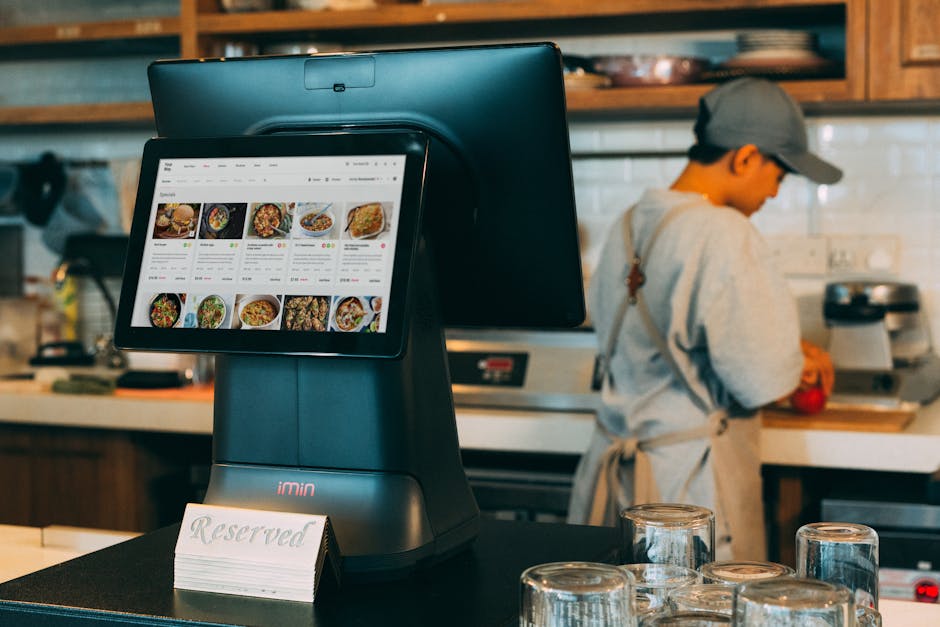
Artificial intelligence-powered ordering systems are rolling out today across 500 restaurant locations spanning Taco Bell, Pizza Hut, and KFC, marking a significant expansion of automation in the quick-service restaurant sector. The deployment aims to streamline customer ordering processes, reduce wait times, and improve operational efficiency—demonstrating how AI technology can enhance consumer experience while addressing persistent labor market challenges facing the restaurant industry.
The initiative represents one of the largest coordinated deployments of AI ordering technology in the fast-food sector to date. Rather than requiring government intervention or subsidies, these companies are independently investing in technology to improve their operations and customer service. This market-driven approach to automation reflects how competitive pressure and consumer preferences drive innovation more effectively than regulatory mandates.
The AI ordering systems will handle customer interactions across multiple channels, including in-restaurant kiosks, mobile applications, and drive-through operations. By automating the ordering process, these systems reduce friction in the customer experience, minimize errors in order transmission, and allow restaurant staff to focus on food preparation and service quality rather than order entry.
Technology-Driven Efficiency and Customer Experience
The deployment of AI ordering systems addresses multiple operational challenges simultaneously. Quick-service restaurants operate on thin profit margins, making operational efficiency critical to viability. By automating the ordering process, these systems reduce labor requirements for order-taking while simultaneously improving accuracy and speed. This allows restaurants to serve more customers with the same staffing levels, increasing productivity and profitability.
From the customer perspective, AI ordering systems offer substantial benefits. The technology can process orders faster than human staff, reducing wait times during peak periods. AI systems also provide consistent service quality, as they don't experience fatigue or have off-days. Additionally, these systems can personalize recommendations based on customer preferences and ordering history, enhancing the customer experience while potentially increasing average transaction values through intelligent upselling.
The technology also addresses a significant challenge facing the restaurant industry: customer service quality during periods of high demand. During busy lunch and dinner rushes, human staff can become overwhelmed, leading to longer wait times and potential service errors. AI systems can handle unlimited concurrent orders without degradation in service quality, ensuring consistent customer experience regardless of demand levels.
Market-Driven Innovation Without Government Intervention
This deployment exemplifies how competitive markets drive innovation and improvement without requiring government mandates or subsidies. These restaurant companies are investing in AI technology because they recognize it improves their competitive position and profitability. No government agency directed this development; instead, market competition incentivized these companies to adopt technology that enhances their operations.
This market-driven approach to automation contrasts sharply with government-directed industrial policy. Rather than government officials attempting to pick winners and direct technological development, competitive markets allow companies to experiment, innovate, and implement solutions that actually work. Companies that successfully deploy AI ordering systems will gain competitive advantages, while those that fail to adapt will lose market share. This process of creative destruction drives continuous improvement.
The deployment also demonstrates the resilience of the American business sector in adapting to changing circumstances. The restaurant industry faced significant challenges in recent years, including labor shortages, rising labor costs, and evolving consumer preferences. Rather than seeking government protection or subsidies, these companies invested in technology to address these challenges directly. This represents the kind of entrepreneurial adaptation that strengthens the broader economy.
Labor Market Implications and Workforce Evolution
While automation inevitably reduces demand for certain types of labor—specifically order-taking positions—it simultaneously creates opportunities in other areas. AI systems require maintenance, programming, and oversight. The deployment of these systems creates demand for technical talent and skilled workers capable of managing and optimizing AI operations. Additionally, by reducing the burden of order-taking, restaurant staff can focus on customer service, food preparation, and other value-added activities that enhance the customer experience.
Historically, technological advancement has consistently created more jobs than it eliminated, though often in different sectors or requiring different skills. The automation of order-taking will likely follow this pattern, with displaced workers transitioning to other positions in the restaurant industry or elsewhere in the economy. While this transition can be challenging for individual workers, preventing technological adoption would ultimately harm economic growth and competitiveness.
Why This Matters:
This AI ordering deployment carries substantial implications for how we think about technological progress, labor markets, and business innovation. The decision by these major restaurant companies to invest billions in AI technology demonstrates that American businesses remain capable of competing globally through innovation and adaptation. This success occurs without government subsidies, mandates, or industrial planning—precisely the conditions that encourage efficient resource allocation and continuous improvement.
The rollout also addresses a critical challenge facing the American economy: productivity growth. As labor costs rise and demographic trends limit workforce expansion, productivity improvements become essential to maintaining economic growth and rising living standards. AI-driven automation contributes directly to productivity by allowing companies to produce more output with the same or fewer inputs. This increased productivity translates into lower prices for consumers, higher profits for businesses, and ultimately, higher wages for workers in more productive sectors.
From a center-right economic perspective, this deployment validates the principle that markets, not government planners, should direct technological development and capital allocation. These companies made independent decisions to invest in AI based on their assessment of market conditions and competitive pressures. This process is far more efficient and responsive to actual consumer needs than government-directed technology initiatives could ever be.
The deployment also demonstrates that concerns about technological unemployment, while worth monitoring, should not prevent adoption of efficiency-enhancing innovations. Throughout American history, technological advancement has consistently created more prosperity and employment opportunities than it eliminated. The AI ordering systems rolling out today will likely follow this pattern, creating new opportunities even as they eliminate specific job categories. The appropriate policy response is to ensure workers have access to education and training that enables them to adapt to changing labor markets—not to prevent technological progress.