
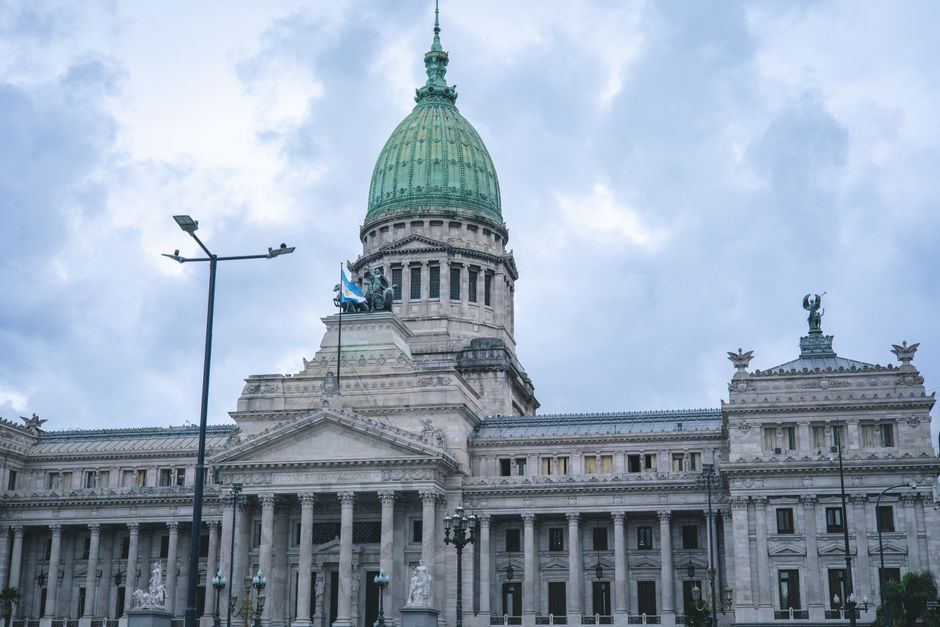
Argentina designated Iran's Islamic Revolutionary Guard Corps as a terrorist organization, strengthening security cooperation with the United States and reinforcing the Western Hemisphere's stance against Iranian-backed threats. The Argentine government indicated that this designation aligns with the United States' stance on the IRGC.
Security Alignment with Washington
The move positions Argentina alongside the United States in formally recognizing the IRGC as a terrorist entity, a classification Washington implemented to counter Iranian military and intelligence operations abroad. The designation carries potential implications for financial sanctions, asset freezes, and legal consequences for individuals or entities conducting business with the Revolutionary Guard.
Argentina's decision comes as nations increasingly scrutinize Iran's regional activities and proxy operations. The IRGC has been linked to military support for militant groups across the Middle East and has faced accusations of involvement in terrorist attacks on foreign soil, including the 1994 bombing of a Jewish community center in Buenos Aires that killed 85 people.
Regional Security Considerations
By formalizing this terrorist designation, Argentina signals its commitment to combating Iranian influence in the Americas and protecting its national security interests. The alignment with U.S. counterterrorism policy may facilitate enhanced intelligence sharing and security coordination between the two nations.
The designation provides legal tools for Argentine authorities to monitor and restrict IRGC-linked activities within their jurisdiction, potentially disrupting financial networks and preventing operational presence in the country.
Separate Development in Cuba
Separately, a Russian oil tanker began discharging cargo in Cuba, highlighting continued energy cooperation between Moscow and Havana. The delivery underscores Russia's role as a key supplier to the Cuban economy, which faces ongoing energy challenges and relies on foreign petroleum imports to meet domestic needs.
The tanker's arrival demonstrates persistent logistical and commercial ties between Russia and Cuba despite international pressure on both nations. Cuba has historically depended on subsidized oil from ideological allies, previously Venezuela and now increasingly Russia, to sustain its state-controlled economy.
These developments were reported by Reuters in the context of events in the Americas. No further details were provided regarding the legal mechanisms of the designation in Argentina, domestic reactions, specifics of the Cuban port, or the identity of the Russian tanker.
Why This Matters:
Argentina's terrorist designation of the IRGC represents a significant counterterrorism measure that strengthens hemispheric security cooperation and aligns regional policy with U.S. national security interests. The move provides legal frameworks to combat Iranian influence and potential threats in the Americas, while demonstrating Argentina's commitment to addressing state-sponsored terrorism. Meanwhile, Russia's continued oil deliveries to Cuba illustrate the persistence of authoritarian economic partnerships that bypass Western market systems and sustain regimes facing international isolation. These parallel developments underscore the ongoing geopolitical competition in the Western Hemisphere between democratic allies pursuing rule-of-law security measures and authoritarian states maintaining strategic economic relationships.