
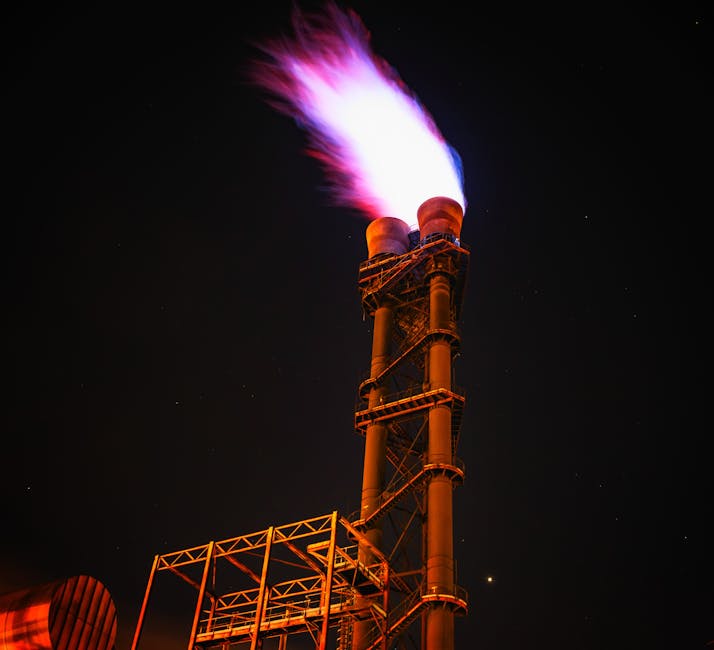
Drone strikes targeted critical energy infrastructure across the Gulf region on April 3, 2026, killing one person and injuring four others at an Abu Dhabi gas plant while causing extensive damage to a Kuwaiti oil refinery that sent a massive plume of smoke into the sky. The attacks underscore the vulnerability of energy production facilities that supply global markets and highlight the expanding geographic reach of the regional conflict.
In Abu Dhabi, one person was killed and four were injured after falling debris caused fires at a gas plant on April 3, 2026. The incident demonstrates the direct human cost and operational disruption to energy production in the United Arab Emirates, a key supplier in global energy markets.
Refinery Damage and Production Disruption
Kuwaiti authorities worked on April 3, 2026, to contain damage after drone strikes hit an oil refinery, with the resulting massive plume of smoke visible evidence of the severity of the attack. The strikes on Kuwait's refining capacity threaten to further constrict global oil supplies already under pressure from the broader regional conflict and the effective closure of the Strait of Hormuz.
The economic implications extend beyond immediate operational disruptions. Emirates Global Aluminium stated on April 3, 2026, that damage from an Iran strike would take up to a year to fix, indicating prolonged production losses and supply chain complications for industrial operations dependent on reliable energy inputs.
Regional Energy Security Under Threat
The coordinated nature of the attacks on energy infrastructure in two separate Gulf states reveals a strategic targeting of the region's economic lifeline. Both the UAE and Kuwait are significant energy producers whose output contributes to global supply stability. Any sustained disruption to their production or refining capacity has immediate implications for international energy prices and availability.
The falling debris that caused the Abu Dhabi gas plant fires suggests sophisticated targeting or interception attempts, while the direct hits on the Kuwaiti refinery indicate the attackers' capability to strike high-value economic targets despite regional air defense systems. The incidents occurred as the broader conflict enters its 36th day, with Iran maintaining its chokehold on the Strait of Hormuz and essential supplies including fuel held hostage for a month.
Why This Matters:
The targeting of energy infrastructure in Abu Dhabi and Kuwait represents a direct assault on the free market's ability to supply global energy needs and threatens the economic stability of Gulf states that have invested heavily in diversified, modern energy sectors. The year-long repair timeline cited by Emirates Global Aluminium signals prolonged production losses that will ripple through supply chains and potentially drive commodity prices higher. These attacks demonstrate how critical infrastructure remains vulnerable despite significant security investments, raising questions about the adequacy of defensive measures protecting facilities essential to global commerce. The strikes also expand the conflict's geographic footprint beyond direct combatants, threatening neutral parties' economic interests and potentially drawing additional actors into the regional crisis. For energy markets already strained by the Strait of Hormuz closure, the loss of production and refining capacity in the UAE and Kuwait compounds supply pressures and underscores the fragility of global energy security in the face of asymmetric warfare tactics targeting civilian economic infrastructure.