
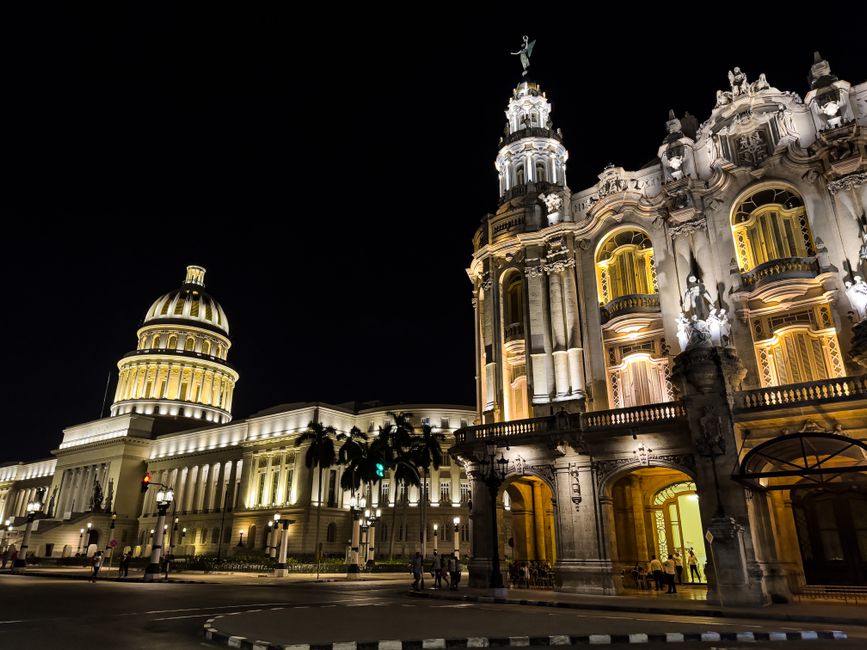
HAVANA — An oil embargo imposed by the second administration of U.S. President Donald Trump has plunged Havana into darkness, shuttering theaters, emptying broad avenues at night, and forcing bars and cafes to lower their curtains as Cuba faces its most severe economic crisis in decades. The blockade has left ordinary Cubans struggling to survive and entrepreneurs watching their livelihoods collapse.
"I feel empty inside when I see my streets empty. I can't be happy when my country is sad," said Yusleydi Blanco, a 41-year-old accountant.
From Hope to Hardship
The contrast with recent years could not be starker. Following a 2016 deal between then-Presidents Barack Obama and Raúl Castro easing U.S. travel restrictions on Cuba, money flooded the island as tourism spiked. A small number of entrepreneurs opened newly allowed private businesses and bought imported modern vehicles that shared the streets with classic cars from the 1950s. In 2018, a record 4.7 million tourists arrived on the island. Hotel accommodations were so saturated that travelers without lodging were seen sleeping in a park in the small western Cuban town of Viñales that draws thousands of tourists and rock climbers to its scenic limestone cliffs.
Today, gasoline sales are limited to 20 liters (5 gallons) per vehicle and owners can wait months for a turn at the pump. Buses now stop running at 6 p.m. and international airlines including Air France, Air Canada and Iberia have stopped flying to Havana because they can't refuel there. The Cuban government reported the arrival of 77,600 tourists in February, down from 178,000 on the same month a year ago.
Workers Bear the Burden
Dolores de la Caridad Méndez, a 65-year-old parking attendant, said, "This is worse than the Special Period," referring to the years of economic devastation that followed the collapse of the Soviet Union, Cuba's Cold War patron, in the 1990s.
In contrast with his Democratic predecessors, U.S. President Donald Trump has tightened economic sanctions against Cuba, demanding an end to political repression, a release of political prisoners and a liberalization of the island's ailing economy. The deepening crisis has led to persistent blackouts, cuts to the state-run food ration system, and severe shortages of water and medicine that have transformed daily life into an ordeal for many in the island of 10 million.
Between 2021 and 2024, approximately 1.4 million Cubans left the island — mostly young people but also accomplished musicians, actors, dancers and other entertainers who fueled Havana's nightlife.
Supply Cut Off
In January, the U.S. captured then-President Nicolás Maduro of Venezuela, which had been Cuba's primary supplier of oil. The Trump administration severed that supply and threatened to impose tariffs on other countries that sold oil to Cuba, which went without a single shipment until a Russian tanker came in March.
For entrepreneurs and business owners across the island, life has become difficult as tourism plummeted and their hopes of selling cheaper goods to fellow Cubans dashed against the rocks of a vastly harder economic reality. Yeni Pérez, owner of the Old Havana cafe Entre Nos, said, "You wake up and you're ready to conquer the world, saying, 'Today I'll sell more than ever.' Then not a single client comes in and you go home devastated." She added, "The next day, you say, 'Let's give it another chance.' It's a time that's testing everyone's stamina."
The sound of cars has disappeared in the wealthy El Vedado neighborhood, where the soundscape of chirping birds has reemerged.
Why This Matters:
The oil embargo's human toll extends far beyond politics, devastating ordinary Cubans who depend on tourism and small businesses for survival. Workers like accountants, parking attendants, and cafe owners face economic devastation through no fault of their own, while approximately 1.4 million Cubans—mostly young people—have been forced to leave the island between 2021 and 2024. The collapse of the tourism economy that followed the 2016 opening has left entrepreneurs who invested in newly allowed private businesses watching their dreams evaporate. With persistent blackouts, cuts to food rations, and severe shortages of water and medicine transforming daily life into an ordeal for 10 million people, the embargo raises questions about whether economic pressure tactics that primarily harm civilians can achieve stated policy goals of political reform.