
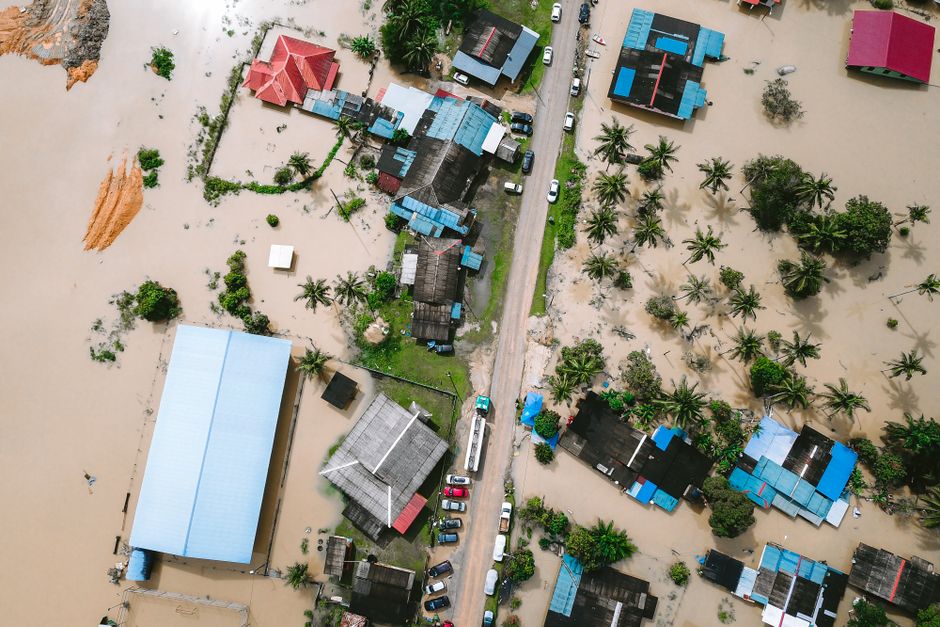
A man died in storm-related flooding near Athens as heavy rain caused widespread flooding across several regions of mainland Greece, highlighting the infrastructure challenges posed by severe weather events and the fiscal costs of emergency response and recovery.
The fatality occurred as heavy rainfall lashed multiple regions of mainland Greece, creating dangerous flooding conditions that tested local emergency services and infrastructure resilience.
Concurrent Weather Events
While mainland Greece battled flooding, a separate weather phenomenon affected the island of Crete. A Saharan dust storm enveloped Crete, creating orange skies that dramatically reduced visibility and air quality. A photograph captured cars driving with headlights on through red-tinted air in Heraklion, Crete, on April 1, 2026, one day ago.
The dual weather events striking different parts of Greece simultaneously placed significant demands on the nation's emergency response systems and infrastructure. The flooding in mainland regions required immediate rescue and recovery operations, while the dust storm over Crete created hazardous driving conditions and potential health concerns for residents.
Infrastructure and Response Demands
The severe weather conditions across multiple Greek regions underscore the ongoing challenges facing local and national authorities in managing natural disasters. Heavy rainfall capable of causing fatal flooding raises questions about drainage infrastructure capacity and flood prevention systems in vulnerable areas near major population centers like Athens.
The Saharan dust storm affecting Crete, while a different type of weather event, created its own set of challenges. The orange skies and reduced visibility documented in Heraklion required drivers to use headlights during daytime hours, impacting transportation and daily activities across the island.
Such concurrent severe weather events strain government resources and highlight the importance of robust emergency preparedness systems. The incidents demonstrate the fiscal implications of natural disaster response and the need for adequate infrastructure investment to protect citizens and property from extreme weather.
Why This Matters:
These severe weather events in Greece illustrate the substantial costs associated with natural disaster response and the critical importance of infrastructure resilience. The fatality near Athens underscores the human toll of inadequate flood prevention systems, while the simultaneous Saharan dust event affecting Crete demonstrates how multiple concurrent crises can stretch emergency services thin. For Greek authorities, these incidents highlight the fiscal pressures of maintaining effective disaster response capabilities and investing in preventive infrastructure. The events also raise broader questions about cost-effective approaches to weather preparedness, balancing government spending on infrastructure improvements against the economic and human costs of inadequate systems when severe weather strikes population centers.