
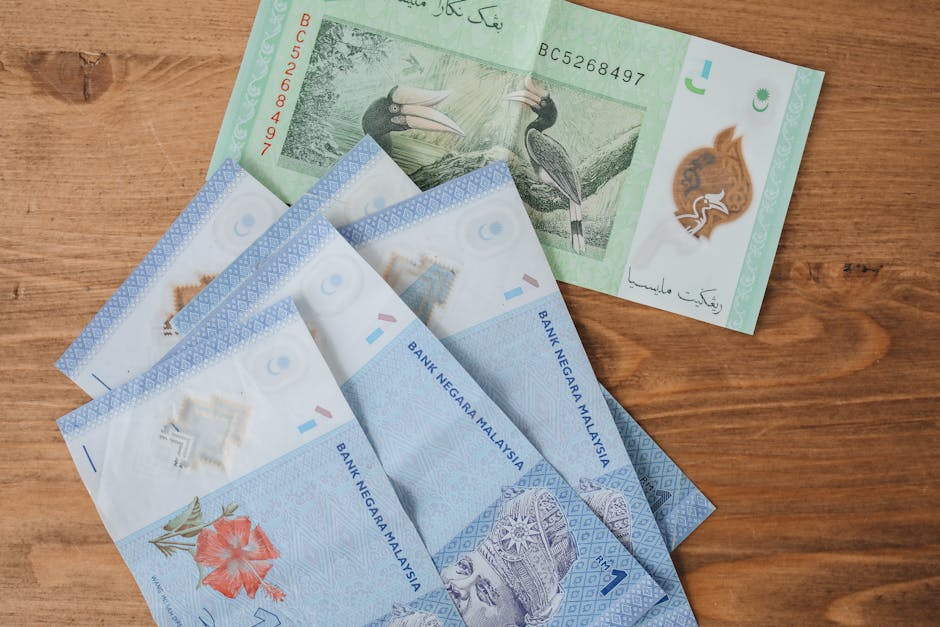
Malaysia's economy is facing mounting pressure as the ongoing crisis in Iran disrupts critical supply chains, compounding the Southeast Asian nation's struggle with unsustainable fuel subsidy programs. The geopolitical turmoil is exposing vulnerabilities in Malaysia's economic model and raising urgent questions about the country's fiscal sustainability.
The crisis in Iran, a significant player in regional energy markets, is creating ripple effects across Asia's interconnected economies. For Malaysia, the timing could not be worse as the government grapples with the enormous financial burden of maintaining fuel subsidies that have long strained public finances.
Supply Chain Disruptions Threaten Economic Stability
The Iranian crisis is affecting Malaysia's ability to secure reliable supply chains for essential goods and materials. Malaysia's position as a trading nation makes it particularly vulnerable to geopolitical shocks that disrupt normal commercial flows. The uncertainty is forcing businesses to reassess their sourcing strategies and consider more expensive alternatives, costs that ultimately impact consumers and economic competitiveness.
This external shock comes at a particularly challenging moment for Malaysia's economy. The country has been struggling to balance popular fuel subsidies with fiscal responsibility, a challenge that has plagued successive governments. The subsidies, while politically popular, consume significant government resources that could otherwise be invested in infrastructure, education, and economic development.
Fuel Subsidy Reform Becomes More Urgent
The convergence of external supply chain pressures and internal subsidy challenges highlights the urgent need for economic reform. Fuel subsidies in Malaysia have long been recognized by economists as inefficient, benefiting wealthier citizens who consume more fuel while draining resources from targeted assistance programs that could better help those truly in need.
The Iranian crisis may paradoxically provide the political cover necessary for Malaysia's government to undertake long-overdue subsidy reforms. When external factors contribute to economic strain, governments often find it easier to implement difficult but necessary policy changes. A gradual, well-communicated transition away from universal fuel subsidies toward targeted assistance for lower-income families would improve fiscal sustainability while maintaining a social safety net.
The situation also underscores the importance of economic diversification and resilience. Countries that maintain flexible, market-oriented economies with diverse trading partnerships are better positioned to weather geopolitical storms than those dependent on rigid subsidy systems and concentrated supply chains.
Regional Economic Uncertainty
The broader regional implications cannot be ignored. Economic strain in Malaysia affects its neighbors and trading partners throughout Southeast Asia. The interconnected nature of modern supply chains means disruptions in one country quickly cascade through the region, affecting employment, investment, and growth prospects.
Malaysian businesses are now facing the dual challenge of navigating supply chain disruptions while operating in an economy burdened by unsustainable subsidy programs. This environment makes it difficult to plan long-term investments and could deter foreign direct investment at a time when the country needs it most.
Why This Matters:
This crisis illustrates a fundamental principle of sound economic governance: countries that maintain market-oriented policies and fiscal discipline are better equipped to handle external shocks than those relying on unsustainable subsidy programs. Malaysia's struggle demonstrates the dangers of prioritizing short-term political popularity over long-term economic sustainability. Fuel subsidies, while appealing to voters, create fiscal vulnerabilities that become acute during international crises. The Iranian situation should serve as a wake-up call for Malaysian policymakers to embrace gradual reform, transitioning toward targeted assistance programs that help those genuinely in need while freeing up resources for productive investment. This approach would strengthen Malaysia's economic resilience, improve its ability to weather future geopolitical storms, and position the country for sustainable growth. The lesson extends beyond Malaysia: nations that embrace fiscal responsibility and market principles, rather than populist subsidies, build the economic strength necessary to protect their citizens during times of international uncertainty.