
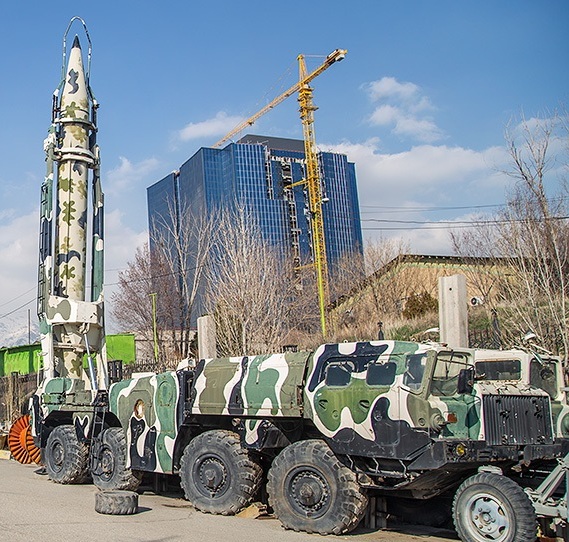
Iran launched four missile salvos at Israel since midnight on April 2, 2026, with some carrying cluster warheads, as regional tensions escalate and an Iranian blockade traps 2,190 ships in the Gulf, threatening global economic stability and energy markets.
The attacks resulted in four injuries in Bnei Brak, including two babies, according to Israeli reports. Four people, including two babies, were lightly injured in Bnei Brak overnight on April 1-2, 2026, by a bomblet from an Iranian cluster warhead. An 11-year-old girl was critically hurt by an Iranian cluster bomb, and eight people were lightly hurt by cluster bombs in central Israel.
Escalating Military Operations
On the same day, Hezbollah fired five rockets at Haifa suburbs, causing no injuries, and approximately 80 rockets at northern Israel, leaving two lightly injured. A rocket from Lebanon also struck a building in Shfaram, east of Haifa, on April 2, 2026. The Israel Defense Forces (IDF) reported killing over 40 Hezbollah operatives in Lebanon strikes and clashes over the past day. On April 1, 2026, a top Hezbollah commander was killed in Beirut as the IDF advanced deeper into Lebanon.
On April 1, 2026, Iran fired its largest ballistic missile salvo in weeks on Passover, damaging buildings, with approximately 10 missiles fired on Wednesday evening. Residents in Tel Aviv took cover in bomb shelters on April 1, 2026, due to Iranian missile strike warnings. Israeli Air Force F-15 pilots prepared for strikes in Iran on April 1, 2026. Israel struck a drug factory in Israel, stating it produced fentanyl for chemical weapons research and development.
Economic and Strategic Implications
Regional tensions escalated with reports of 2,190 ships trapped in the Gulf due to an Iranian blockade on April 2, 2026. The UK is hosting more than 30 nations, and separately, more than 40 countries, to find a solution for reopening the Strait of Hormuz, with Britain accusing Iran of holding the world's economy hostage. This was discussed on April 2, 2026, and Prime Minister Keir Starmer spoke on April 1, 2026.
US crude prices topped $110 per barrel, and Wall Street tumbled on April 2, 2026, after Trump's vows to escalate attacks on Iran. Oil and gas prices were not expected to return to normal immediately even if the Iran war ended, the EU warned. Iran began formalizing its control over the Strait of Hormuz with a "toll booth" regime on March 19, 2026.
The Philippines secured passage through the Strait of Hormuz after talks with Iran on April 2, 2026. The UAE denied a Wall Street Journal report on April 1, 2026, that it was preparing to help the US and allies open the Strait of Hormuz by force, though it had conducted an internal assessment of its capabilities.
US Response and Strategic Position
US President Donald Trump stated on April 1, 2026, that the US was "nearing completion" of its "core strategic objectives" in the Iran war, adding that Iran would be hit "extremely hard" over the next two to three weeks, but did not provide an end-of-war timeline. US intelligence agencies assessed that Tehran was not serious about talks. On March 31, 2026, Trump claimed Iran sought a truce but was expected to announce the war would continue for two to three more weeks.
General Dan Caine, chairman of the US Joint Chiefs of Staff, US Secretary of State Marco Rubio, and US Secretary of Defense Pete Hegseth were present when President Donald Trump spoke about the Iran war from the Cross Hall of the White House on April 1, 2026, in Washington. Defense Secretary Pete Hegseth stated on March 31, 2026, that thousands more US troops were heading to the Middle East. An Iranian attack on a Saudi base injured US troops on March 27, 2026, leading to more American forces arriving in the Middle East. At least 1,000 US troops from the 82nd Airborne were set to deploy to the Middle East on March 12, 2026.
Trump also stated on March 31, 2026, that securing the Strait of Hormuz was "not for us" and criticized European allies for not helping with the damage caused by his war against Iran. He was also seriously considering withdrawing from NATO due to allies' failure to join the Iran war, as noted in an article with a photo from June 25, 2025. Secretary of State Marco Rubio planned travel to France on March 20, 2026, to discuss the Iran war with skeptical G7 allies.
Regional Spillover Effects
Iran's President Masoud Pezeshkian, who took questions from the media in New York on September 26, 2025, and spoke on the 47th anniversary of the Islamic Revolution in Tehran in February, claimed in a letter to Americans on April 1, 2026, that the US was fighting as "proxy for Israel" and that Iran had never initiated war in modern history. On April 1, 2026, Iran denied Trump's claim, made in a Truth Social post on Wednesday, that Iran's new leader had asked for a ceasefire.
Yemen's Houthis threatened to close the Bab el-Mandeb strait if Gulf states joined the war, as mentioned in an article with a photo from March 27, 2026. A Houthi missile attack on Israel on March 27, 2026, fueled fears of renewed Red Sea shipping strikes. Iran-backed Houthis entered the month-long war on March 28, 2026, potentially further threatening global shipping. A drone attack on April 1, 2026, sparked a fire at Kuwaiti Airport, and a tanker off Qatar was hit as Iran struck Gulf states, including Qatar and Bahrain. Tehran intensified attacks on Gulf energy facilities after Israel hit an Iranian gas field.
Domestic Impact
Israelis spent Passover under the shadow of the Iran war on April 1, 2026, with businesses like Yael Ben Cnaan's flower store in Tel Aviv struggling, and the Finance Ministry reporting the economy losing at least 4.3 billion shekels per week. The Iran war also disrupted US small businesses with shipping complications and higher costs. JetBlue raised its checked bag fees by up to $9 due to the Iran war's effect on fuel costs.
Japan and Indonesia boosted energy security cooperation on March 31, 2026, as concerns about the Iran war's fallout grew, with Japanese Prime Minister Sanae Takaichi and Indonesian President Prabowo Subianto involved. South Korea and Indonesia also expanded cooperation on defense and energy on April 1, 2026. The Philippine President Ferdinand Marcos Jr. declared a national energy emergency on February 24, 2026, in response to the Middle East war's impact.
Why This Matters:
The Iranian missile attacks and Gulf blockade represent a direct threat to global energy security and free navigation, with 2,190 ships trapped and oil prices exceeding $110 per barrel. The Strait of Hormuz handles a significant portion of the world's oil supply, and Iran's formalization of control through a "toll booth" regime challenges fundamental principles of international maritime law and free commerce. The economic consequences extend beyond energy markets, with small businesses facing shipping complications, higher costs cascading through supply chains, and allied nations scrambling to secure alternative energy arrangements. The conflict tests the limits of American military commitment and alliance cohesion, as President Trump criticizes European allies for insufficient support while thousands of additional US troops deploy to the region. The spillover into multiple Gulf states and the involvement of Iranian proxies demonstrate how quickly regional instability can threaten core economic interests and the rule-based international order that underpins global trade.