
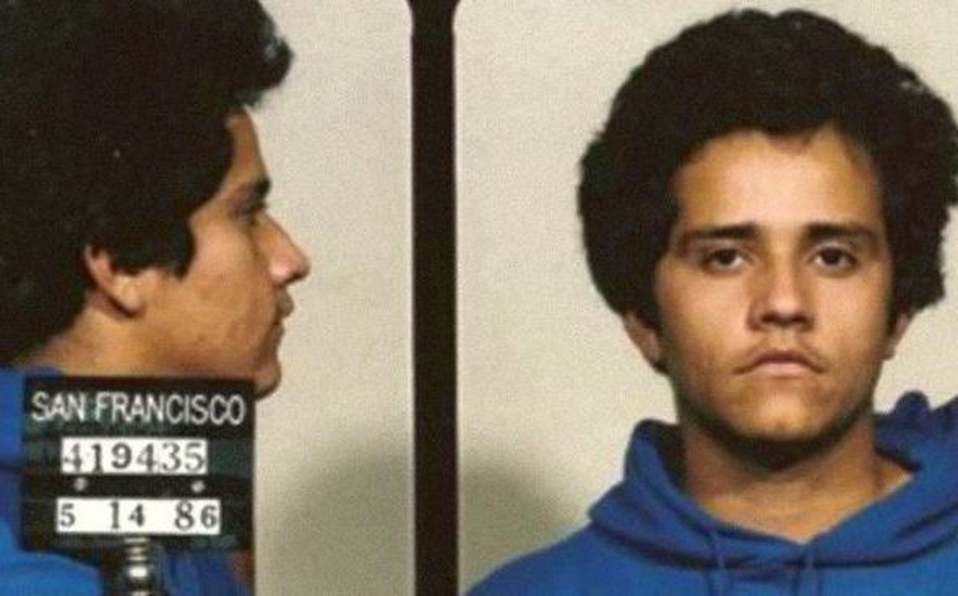
Nemesio Oseguera Cervantes, known as "El Mencho," the founder of the Jalisco New Generation Cartel and described as the world's most wanted drug lord, was killed on Sunday in a U.S.-backed military raid in Jalisco, triggering immediate cartel retaliation that paralyzed half of Mexico by nightfall. The DEA had a $15 million bounty on him.
The operation, which involved U.S. intelligence support, took place in the Sierra de Tapalpa, Jalisco, and resulted in one man being killed. The intended capture became lethal when "El Mencho" was wounded in a firefight and subsequently died during an airlift to Mexico City. His death is considered the biggest blow to Mexican drug trafficking in a generation.
Nationwide Retaliation
Within hours of his death, approximately 250 roadblocks were reported across 20 states. In Guadalajara, 20 banks were torched. In Puerto Vallarta, a major tourist hub, smoke was observed over the tourist district, and all ground transport ceased, causing tourists to miss flights rather than risk traveling to the airport.
Jalisco's governor declared a "code red." Ten states canceled school for Monday. Aeroméxico suspended flights across western Mexico. The CJNG operates in all 32 Mexican states and at least 40 countries.
International Response
The United States issued shelter alerts for Puerto Vallarta, Cancún, Tulum, Tijuana, and parts of six other states, with at least seven more countries following suit. The widespread disruption demonstrated the cartel's capacity to coordinate simultaneous operations across vast territory, effectively shutting down economic activity in multiple regions.
The violence exposed the security challenges facing Mexico despite U.S. intelligence cooperation. The raid's success in eliminating a high-value target came at the immediate cost of widespread civil disorder, raising questions about operational planning and the capacity of Mexican authorities to maintain order following such operations.
Security Implications
The cartel's ability to mobilize hundreds of roadblocks across 20 states within hours revealed sophisticated command-and-control capabilities that extend far beyond Jalisco. The targeting of banks in Guadalajara and the shutdown of tourist infrastructure in Puerto Vallarta suggested coordinated economic warfare tactics designed to maximize pressure on government authorities.
The cancellation of schools in ten states and the suspension of commercial flights by Aeroméxico across western Mexico illustrated the cartel's reach into civilian life and legitimate commerce. The international travel advisories from the United States and at least seven other countries highlighted the cross-border security implications of Mexican cartel violence.
Why This Matters:
The death of "El Mencho" removes a major criminal enterprise leader but immediately demonstrated the fragility of Mexico's security infrastructure and the economic costs of cartel violence. The CJNG's presence in all 32 Mexican states and at least 40 countries means leadership succession could trigger broader instability as rival factions compete for control. The 250 roadblocks across 20 states revealed an organization capable of nationwide coordination that challenges state authority. For businesses and investors, the burning of 20 banks in Guadalajara and the shutdown of tourist operations in Puerto Vallarta demonstrate how cartel violence directly threatens economic activity and property rights. The international travel advisories affecting major tourist destinations like Cancún and Tulum carry immediate fiscal consequences for Mexico's tourism sector, while the broader security crisis raises fundamental questions about rule of law and the state's monopoly on violence.