
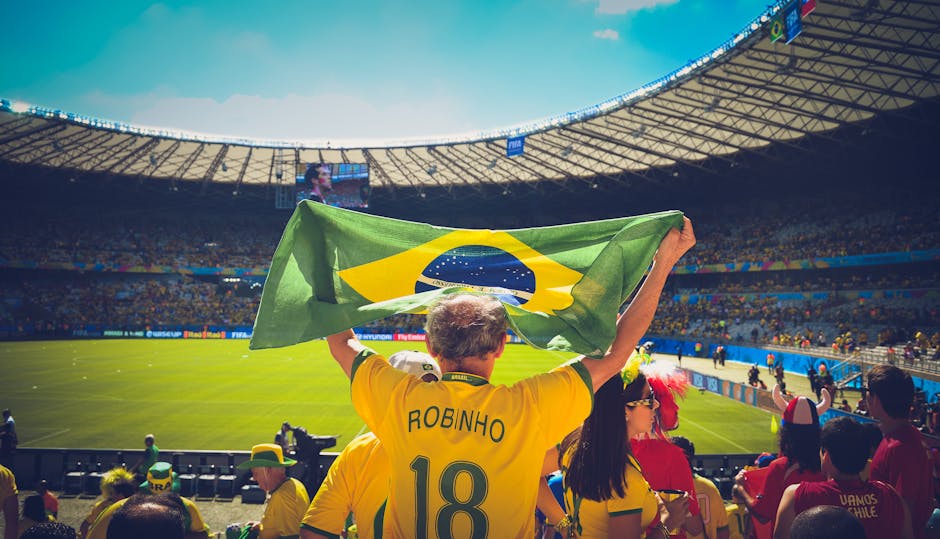
Miami is preparing for the arrival of football fans from around the world as demand for 2026 FIFA World Cup tickets reveals a stark divide between those who secured access to the global sporting event and those still struggling to obtain them, according to a CNN video feature.
Access and Affordability Concerns
CNN spoke to fans still trying to get tickets to the 2026 FIFA World Cup and to those who have already gotten them, highlighting the challenges facing ordinary supporters in one of the tournament's key host cities. The 2:05 video feature, titled "Miami's World Cup ticket frenzy," captures the intensity of competition for limited seats as the international tournament approaches.
The report underscores how major sporting events increasingly test the ability of working families and dedicated fans to participate in cultural moments that are marketed as celebrations of global unity. While some Miami residents have successfully navigated the ticket allocation process, others remain on the outside looking in, raising questions about equitable access to events held in publicly supported venues.
A City Prepares
Miami's role as a host city for the World Cup represents a significant opportunity for the region, but the ticket distribution challenges reflect broader patterns seen in international sporting events where demand far outstrips supply. The CNN feature documents the human side of this dynamic, giving voice to fans experiencing both the excitement of securing tickets and the frustration of being shut out.
The World Cup, which will be jointly hosted by the United States, Canada, and Mexico, is expected to draw unprecedented crowds to American cities. Miami, with its diverse, soccer-passionate population and strong international connections, stands to be one of the tournament's most sought-after destinations.
Public Interest in Global Events
As cities across North America prepare infrastructure and logistics for the influx of visitors, the experiences of Miami fans attempting to secure tickets offer an early window into how accessible the tournament will be for local communities versus international travelers and corporate ticket holders. The video feature sourced to CNN provides ground-level perspective on these dynamics as they unfold in real time.
The 2026 World Cup represents the first time the United States will host the tournament since 1994, and the first time it will be held across three nations, amplifying both the scale of preparation required and the public interest in attending matches.
Why This Matters:
The struggle for World Cup tickets in Miami reflects larger questions about who gets to participate in major cultural and sporting events when they come to American cities. As public infrastructure and resources support these international tournaments, ensuring that local residents and working families can afford to attend becomes a matter of community equity. The ticket allocation process will help determine whether the World Cup serves as an inclusive celebration that benefits host communities or primarily caters to corporate interests and affluent international visitors. How cities like Miami balance economic opportunity with public access will shape the tournament's legacy and set precedents for future mega-events in the United States.