
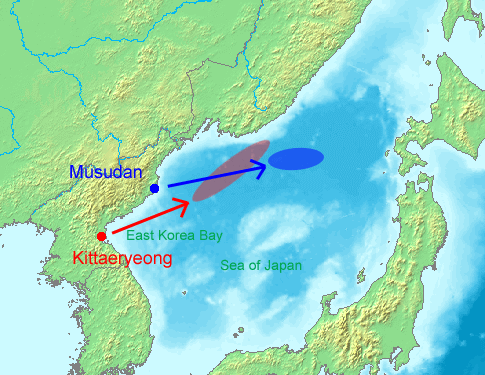
North Korea fired missiles toward the sea on Wednesday in its second launch event in two days, dealing a blow to South Korea's efforts to ease tensions on the peninsula through diplomatic engagement. The launches, described as short-range ballistic missiles by some reports and an unidentified projectile toward the sea off North Korea's east coast by others, underscore Pyongyang's continued rejection of Seoul's overtures for warmer relations.
South Korea's military confirmed the launches and said it was monitoring the situation closely. The missile tests come amid increasingly hostile rhetoric from North Korean officials, who have dismissed Seoul's diplomatic hopes and reasserted their view of South Korea as an enemy state.
Diplomatic Hopes Crushed by Hostile Rhetoric
A senior North Korean official released insults toward Seoul's hopes for improved bilateral relations, according to reports. Pyongyang described Seoul's "true colors" as unchanged and framed the South's stance as fundamentally hostile, dashing any near-term prospects for diplomatic progress. The harsh language signals that North Korea views South Korea's peace efforts with deep skepticism and has no intention of reciprocating gestures aimed at reducing tensions.
The repeated missile launches and accompanying rhetoric represent a setback for those in Seoul who have advocated for diplomatic engagement as a pathway to stability on the Korean Peninsula. The North's actions demonstrate a preference for military demonstrations over dialogue, complicating efforts to establish trust-building measures or substantive negotiations.
Regional Security Concerns Mount
The back-to-back launches raise concerns about regional security and the effectiveness of international efforts to curb North Korea's weapons development programs. South Korea's military confirmation of the events highlights the ongoing need for vigilance and coordination among regional partners committed to monitoring and responding to provocations that threaten peace and stability.
The launches also underscore the challenges facing diplomatic initiatives when one party consistently rejects engagement in favor of military posturing. For communities living near the border and throughout South Korea, such tests serve as reminders of the persistent security threats that shape daily life and policy priorities in the region.
Official Response and Continued Monitoring
South Korea's military has maintained its monitoring posture following the launches, reflecting the government's commitment to tracking developments and protecting its citizens. The measured response from Seoul stands in contrast to Pyongyang's inflammatory rhetoric, illustrating the asymmetry in how the two sides approach the relationship.
The North Korean official's crude insults directed at Seoul's diplomatic hopes reveal a fundamental disconnect between the two governments' approaches to managing tensions. While Seoul has signaled openness to dialogue and confidence-building measures, Pyongyang has responded with weapons tests and hostile declarations that frame South Korea as an unchanging adversary.
Why This Matters:
These missile launches and the accompanying hostile rhetoric from North Korean officials have direct implications for millions of people living on the Korean Peninsula who bear the human costs of ongoing tensions. The rejection of diplomatic engagement undermines efforts to build the trust necessary for eventual reunification or peaceful coexistence, prolonging the separation of families and the militarization of daily life near the border. For South Korean citizens and policymakers who have invested hope in dialogue as a pathway to stability, Pyongyang's actions represent a setback that may require reassessment of engagement strategies. The launches also affect regional security dynamics, potentially triggering increased military spending and heightened alert levels that divert resources from social needs. The North's framing of Seoul as an unchanging enemy state suggests that structural barriers to peace remain deeply entrenched, requiring sustained international cooperation and diplomatic creativity to address the root causes of conflict rather than merely managing its symptoms.