
Two three-day cultural festivals will take place during Sukkot from September 29 to October 1, with poetry, dance and community events split between Jerusalem and the Ela Valley. The calendar looks festive enough. The machinery underneath is simpler: curated culture, branded memory, and a pair of institutions packaging art as refuge while the wider social order keeps doing what it does.
Poetry Inside the Sukkah
The eighth annual Ushpizin Poetry Festival at Jerusalem’s Confederation House will explore themes of home and memory through verse under the theme “Poets Are Called Alive in Death.” Directed by Effie Benaya and Binyamin Shvili, the festival uses the traditional sukkah as a metaphor for an inner artistic sanctuary. That’s the language of shelter, but it’s also the language of enclosure. The festival’s frame is intimate, controlled, and safely aestheticized.
Its programming includes readings, panels and live musical accompaniment honoring late Israeli literary icons Hedva Harechavi, Israel Eliraz and Haim Gouri, along with global masters Dante, Osip Mandelstam and Matsuo Basho. The lineup reaches across time and geography, but it stays firmly inside the approved circuit of literary reverence. The festival will end with a musical tribute pairing Natan Zach’s poetry with compositions by the late Matti Caspi. A closing tribute. A neat finish. The kind of cultural ritual that turns memory into programming and programming into legitimacy.
Dance, Ecology and the Managed Commons
At the same time, the Vertigo Ecological Art Village in the Ela Valley will host its Dance in the Village festival under artistic director Sigal Roth. The main lineup includes an exclusive 2027 pre-premiere by the Vertigo Dance Company, choreographed by Noa Wertheim and Rina Wertheim Koren, as well as performances by the Force of Balance Ensemble, Orly Portal and the Kibbutz 2 dancers. The names are specific, the structure is familiar: a festival built around artistic authority, curated access and a controlled public.
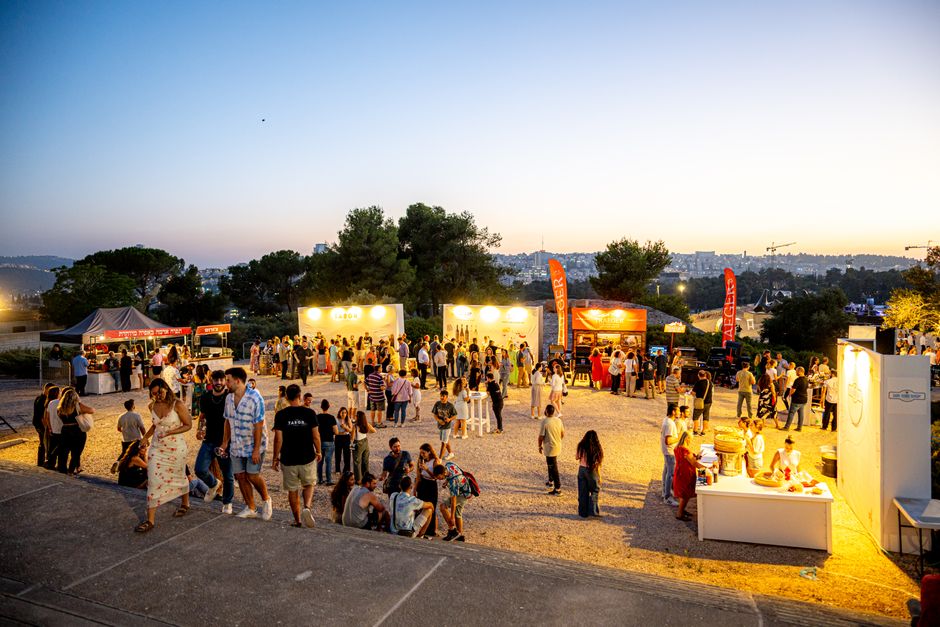
Daily free community programming starting at 4:00 p.m. will include guided eco-tours, a second-hand market, sunset movement sessions and a veteran art exhibition through Vertigo’s Resilience Farm. Free, yes. Community, yes. But still organized from above, with the village, the farm and the festival apparatus deciding what counts as participation and what gets displayed as participation. The language of ecology and resilience does a lot of work here. It softens the edges. It makes managed culture sound like common life.
The final day is set aside for families and will end with local food and drink. That’s the closing note: domestic, contained, consumable. No conflict, no disruption, no mess. Just the seasonal choreography of institutions that know how to turn public life into a ticketed atmosphere, then call it community.
The festivals run from September 29 to October 1. One leans on poetry and memory. The other on dance, ecology and a village setting. Both sell the same promise in different costumes: a temporary sanctuary, carefully staged, with the state and its wider social order nowhere visible in the program and everywhere in the background.