
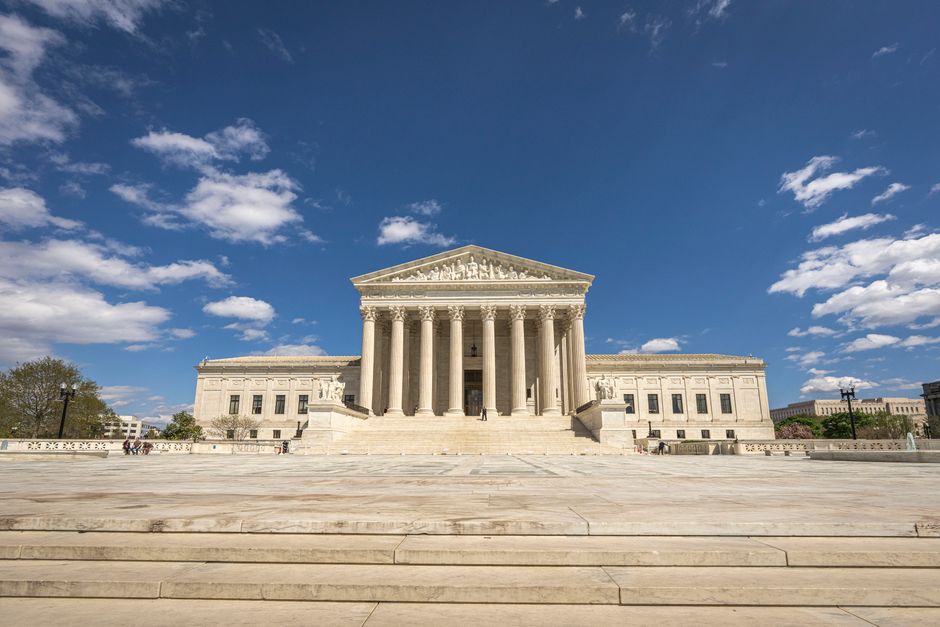
A refund system for businesses that paid tariffs deemed unconstitutional by the U.S. Supreme Court is scheduled to launch tomorrow, allowing importers and their brokers to begin claiming back billions in capital. While 56,497 importers were eligible for refunds totaling $127 billion, including interest, as of 5 days ago, the businesses receiving these funds are not obligated to share the proceeds with customers who may have absorbed the initial cost.
The Supreme Court, in a 6-3 decision this year on Feb. 20, found that President Donald Trump usurped Congress' tax-setting role last year in April when he imposed new import tax rates on products from nearly every other country. Trump had cited the U.S. trade deficit as a national emergency that warranted his invoking of a 1977 emergency powers law. Although the high court's majority ruling did not directly address refunds, a judge at the U.S. Court of International Trade determined last month that companies subjected to these tariffs were entitled to money back.
U.S. Customs and Border Protection (CBP) stated in court filings that over 330,000 importers collectively paid approximately $166 billion on more than 53 million shipments. The initial phase of the refund system's rollout is limited to cases where tariffs were estimated but not finalized, or within 80 days of a final accounting. To access these refunds, importers must register for CBP's electronic payment system.
State Protects Capital
The state's machinery, through its judicial and administrative branches, is now facilitating the return of this accumulated capital to businesses. If CBP approves a claim, the agency expects a refund to be issued within 60-90 days. The government plans to process refunds in phases, prioritizing more recent tariff payments. However, technical factors and procedural issues could delay an importer's application, adding complexity to the process of capital recovery.
Meghann Supino, a partner at Ice Miller, advised clients to meticulously list all document numbers for forms submitted to CBP, warning that an unqualified entry could lead to the rejection of an entire claim. Nghi Huynh, partner-in-charge of transfer pricing at accounting and consulting firm Armanino, echoed this, emphasizing the need for a clear process and accurate data, as submissions can be rejected for incorrect formatting.
Consumers Left Behind
Small businesses, while eager for the refunds, also face challenges. Brad Jackson, co-founder of After Action Cigars in Rochester, Minnesota, began compiling records immediately upon CBP's announcement. His company, which imports cigars and accessories, paid $34,000 in tariffs last year and absorbed much of this cost rather than raising prices for customers. Jackson expressed concern over the "turnaround time," stating that a process taking "several months to complete doesn’t solve the cash flow problem that it is supposed to fix." This highlights how even for smaller capital holders, the system introduces delays and burdens.
The core mechanism of the refund system directs money solely to the businesses that paid the tariffs. These businesses retain the discretion to keep the funds, even if they passed the tariff costs onto consumers via higher prices. This structural arrangement ensures that capital, once extracted, is returned to its corporate owners, with no automatic mechanism for redistribution to the working class or consumers who bore the initial burden.
The Illusion of Recourse
For consumers seeking reimbursement, the only path mentioned involves class-action lawsuits. These legal battles, currently "winding their way through the U.S. legal system," aim to compel companies ranging from Costco to Ray-Ban maker Essilor Luxottica to refund shoppers. This places the onus on individual legal action rather than systemic obligation.
Delivery companies such as FedEx and UPS, which collected tariffs directly from consumers, may be more likely to issue refunds. FedEx stated it would return tariff refunds to customers upon receipt from CBP, adding, "Supporting our customers as they navigate regulatory changes remains our top priority." FedEx also plans to begin filing claims tomorrow. This exception underscores the general rule that, without specific legal or public pressure, the system does not inherently compel businesses to return extracted value to the broader populace.