
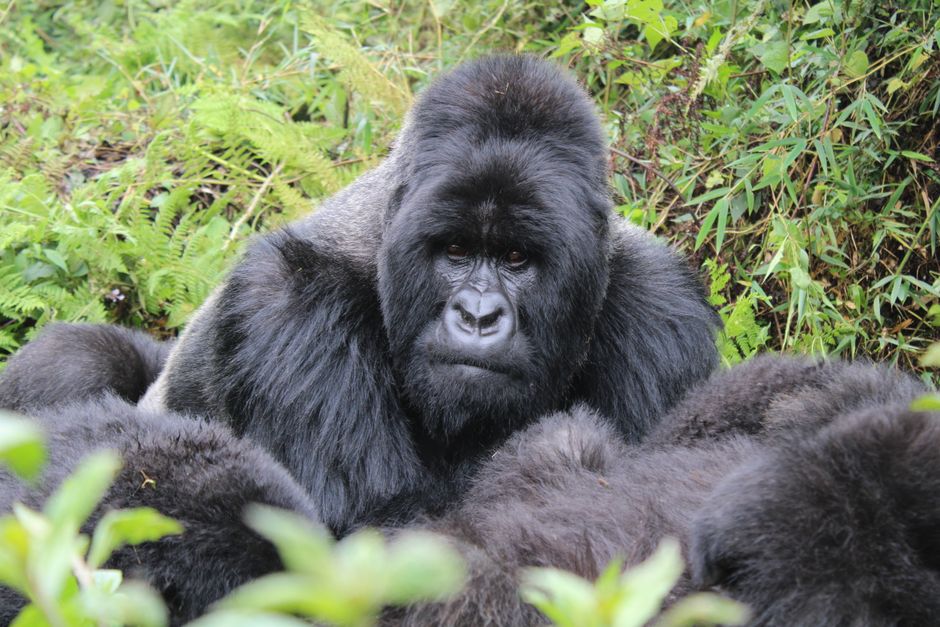
Rwanda is using a new approach known as environmental DNA technology to detect species like the endangered mountain gorilla using genetic material left in soil and water, a conservation method that shifts power toward researchers and away from the old, blunt ways of trying to count wildlife in the wild.
Who Controls the Forest
The report said the method could transform conservation by allowing researchers to identify wildlife from DNA samples collected in the wild. That means the apparatus of conservation is now reaching into soil and water for traces of life, turning the landscape itself into a record that can be read by experts. The article was datelined Musanze, Rwanda, and placed the work in the mist-covered forests of Rwanda’s Volcanoes National Park, where a guide called out to endangered golden monkeys with grunts and clicks to signal he posed no threat.
That detail matters because the people on the ground are still the ones navigating the forest, while the institutional project of conservation is being built around their labor and the animals’ survival. The guide’s sounds were a small act of coexistence in a space where endangered species are being monitored through a new scientific system.
What the Method Claims to Do
The report said environmental DNA technology can detect species like the endangered mountain gorilla using genetic material left in soil and water. It also said the method could transform conservation by allowing researchers to identify wildlife from DNA samples collected in the wild. The article did not say the technology replaces field work, but it does show a new layer of surveillance over the living world, one that depends on collecting traces rather than direct sightings.
The photo caption identified a golden monkey seen in Volcanoes National Park in Kinigi, Rwanda, Thursday, March 19, 2026, and credited the image to AP Photo/Brian Inganga. The image and the report together place the story in a specific landscape where endangered animals are being watched, named, and managed through scientific tools.
The People and the Animals at Ground Level
The guide in the forest called out to endangered golden monkeys with grunts and clicks to signal he posed no threat. That is the closest thing in the article to direct, on-the-ground interaction between humans and wildlife, and it comes before any grand claims about transformation. The report’s language makes clear that the forest is not an abstract conservation zone but a lived space where people move carefully among endangered animals.
The article was by Evelyne Musambi | AP and published May 25, 2026 at 3:01 a.m. EDT, with the page also listing Today at 3:01 a.m. EDT. Those publication details frame the report as a snapshot of a conservation system in motion, one now leaning on environmental DNA technology to read what the forest leaves behind.
The base article does not mention elections, legislation, nonprofit funding, or any community mutual-aid effort. What it does show is a conservation model increasingly organized around scientific monitoring, with researchers positioned to identify wildlife from traces in soil and water while guides and forest workers remain the ones physically present in the park.
In Volcanoes National Park, the endangered mountain gorilla and golden monkeys are not just species in a report. They are part of a managed landscape where the newest tool is not a fence or a gun, but DNA pulled from the ground and water, another reminder that modern control often arrives wearing the clean white coat of expertise.